
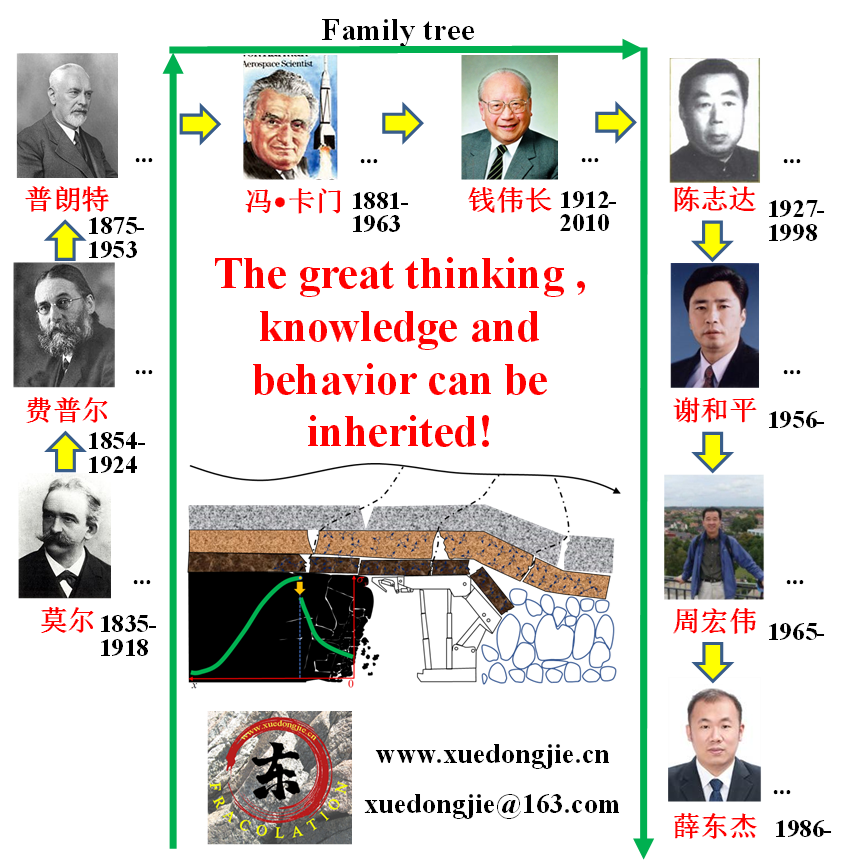
 |
A short biography1. 莫尔(Christian Otto Mohr)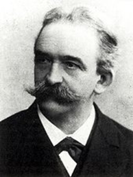 Leben:Christian Otto Mohr(克里斯蒂安•奥托•莫尔), usually cited as Otto Mohr (October 8, 1835 in Wesselburen (Holstein); October 2, 1918 in Dresden), was a German engineer and structural engineer.Before his career, Otto Mohr worked as an engineer in Wesselburen in 1850. A year later, at the age of 16, he began his studies in engineering at the Polytechnic in Hanover. Among his teachers was Schubert’s student, Moritz Rühlmann. In 1855 he became an engineering assistant and later an engineer and construction councillor with the Royal Hannöverschen State Railways (HSEB) in Lüneburg. In 1860, as an assistant in the service of the HSEB, he published a paper on the continuous bending beam. This enabled a reliable design of continuous beams and attracted attention in the professional world.On November 18, 1852, together with Joachim August Danielsen and Max Stegemann, he founded the Slesvico-Holsatia country team, which formed the corps Slesvico-Holsatia, which still exists today.Following his work at the HSEB, he was involved in the construction of the Grand Duchy of Oldenburg State Railways. During this time, Mohr designed one of the first steel bridges in Germany with a clearly formed triangular truss and developed a simple calculation method, which was perfected in 1863 by August Ritter and has since been known as Ritter’s cutting method (or knight-cutting method).In 1867, Mohr’s scientific achievements were already in such demand that he was appointed to the Polytechnic in Stuttgart (predecessor of the University of Stuttgart), where he took over the professorship for technical mechanics, trotting and earthworks. He was able to present the theoretical material of mechanics in an easy-to-understand form, so that his lectures were very well attended and later even published in autographform form. In science, he achieved considerable simplification by developing a graphical method (also: Mohr’s analogy) for determining the bending line as a rope curve, which until then was only mathematically possible by double integration.However, Mohr remains best known to posterity through the simple method developed by him, using the help of the Mohr’s voltage circuit named after him, to graphically derive the stresses and normal stresses, or to transform the flat voltage variables between local, Cartesian coordinate systems. The method is also applicable in an analogous manner to stretches, the same applies to Mohr’s circle of inertia. Mohr introduced the voltage circuit in 1882.In 1873 Mohr received a call to the Dresden Polytechnic. The chair of road, water and railway construction, which was created in 1869, was vacant because the previous owner Claus Koepcke was appointed the chief executive of all railway buildings in the Saxon Ministry of Finance. When he took office, he was entrusted with the taking over of courses by Wilhelm Fränkel on graphostatics. Only three years later, from 1876 on, his remit expanded to include the subject of strength theory. Mohr was also a colleague of Ludwig Burmester, the inventor of the Burmester stencils named after him.Between 1874 and 1875, Mohr published a truss theory, which he had developed on the basis of the general working set and the external virtual work.In 1894 he moved from the engineering department to the General Department, where he took over the chair of technical mechanics and strength teaching as successor to Gustav Zeuner. He served in this position for six years until he resigned as head of the chair in 1900 at the age of 65.Mohr worked as an academic teacher for 33 years, 27 of them in Dresden alone. There he bought the Villa Leubnitzer Str. 7 (from 1890 Villa Haniel) in 1877, which he lived in until 1884. He spent his retirement on his estate in Wachwitz near Dresden, still associated with scientific work. On 2 October 1918, six days before his 83rd birthday, Otto Mohr died. His resting place is located in the Johannisfriedhof in Dresden-Tolkewitz.2. 费普尔(August Föppl) Leben:Christian Otto Mohr(克里斯蒂安•奥托•莫尔), usually cited as Otto Mohr (October 8, 1835 in Wesselburen (Holstein); October 2, 1918 in Dresden), was a German engineer and structural engineer.Before his career, Otto Mohr worked as an engineer in Wesselburen in 1850. A year later, at the age of 16, he began his studies in engineering at the Polytechnic in Hanover. Among his teachers was Schubert’s student, Moritz Rühlmann. In 1855 he became an engineering assistant and later an engineer and construction councillor with the Royal Hannöverschen State Railways (HSEB) in Lüneburg. In 1860, as an assistant in the service of the HSEB, he published a paper on the continuous bending beam. This enabled a reliable design of continuous beams and attracted attention in the professional world.On November 18, 1852, together with Joachim August Danielsen and Max Stegemann, he founded the Slesvico-Holsatia country team, which formed the corps Slesvico-Holsatia, which still exists today.Following his work at the HSEB, he was involved in the construction of the Grand Duchy of Oldenburg State Railways. During this time, Mohr designed one of the first steel bridges in Germany with a clearly formed triangular truss and developed a simple calculation method, which was perfected in 1863 by August Ritter and has since been known as Ritter’s cutting method (or knight-cutting method).In 1867, Mohr’s scientific achievements were already in such demand that he was appointed to the Polytechnic in Stuttgart (predecessor of the University of Stuttgart), where he took over the professorship for technical mechanics, trotting and earthworks. He was able to present the theoretical material of mechanics in an easy-to-understand form, so that his lectures were very well attended and later even published in autographform form. In science, he achieved considerable simplification by developing a graphical method (also: Mohr’s analogy) for determining the bending line as a rope curve, which until then was only mathematically possible by double integration.However, Mohr remains best known to posterity through the simple method developed by him, using the help of the Mohr’s voltage circuit named after him, to graphically derive the stresses and normal stresses, or to transform the flat voltage variables between local, Cartesian coordinate systems. The method is also applicable in an analogous manner to stretches, the same applies to Mohr’s circle of inertia. Mohr introduced the voltage circuit in 1882.In 1873 Mohr received a call to the Dresden Polytechnic. The chair of road, water and railway construction, which was created in 1869, was vacant because the previous owner Claus Koepcke was appointed the chief executive of all railway buildings in the Saxon Ministry of Finance. When he took office, he was entrusted with the taking over of courses by Wilhelm Fränkel on graphostatics. Only three years later, from 1876 on, his remit expanded to include the subject of strength theory. Mohr was also a colleague of Ludwig Burmester, the inventor of the Burmester stencils named after him.Between 1874 and 1875, Mohr published a truss theory, which he had developed on the basis of the general working set and the external virtual work.In 1894 he moved from the engineering department to the General Department, where he took over the chair of technical mechanics and strength teaching as successor to Gustav Zeuner. He served in this position for six years until he resigned as head of the chair in 1900 at the age of 65.Mohr worked as an academic teacher for 33 years, 27 of them in Dresden alone. There he bought the Villa Leubnitzer Str. 7 (from 1890 Villa Haniel) in 1877, which he lived in until 1884. He spent his retirement on his estate in Wachwitz near Dresden, still associated with scientific work. On 2 October 1918, six days before his 83rd birthday, Otto Mohr died. His resting place is located in the Johannisfriedhof in Dresden-Tolkewitz.2. 费普尔(August Föppl)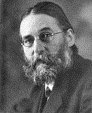 Leben:August Otto Föppl (奥古斯特·奥托·费普尔)(January 25, 1854 in Groß-Umstadt, Hesse; October 12, 1924 in Ammerland) was a German mechanical engineering scientist and university lecturer.Föppl was the son of the physician Carl August Föppl (who was last district physician in Höchst in the Odenwald) and studied construction at the Polytechnic School Darmstadt from 1869, then in Stuttgart with Christian Otto Mohr and at the TH Karlsruhe with a diploma in 1874. Afterwards he taught first at the building trade school in Holzminden and from 1877 to 1892 algebra and technical mechanics at the Leipzig School of Trade. He also studied physics with Gustav Heinrich Wiedemann, graduating with a doctorate in 1886. The dissertation was based on two publications on statics, theory of the truss from 1880 and theory of the vaults of 1881. Based on this, he calculated the cast-iron truss constructions for the roofing of the municipal market hall in Leipzig. In 1892 he became an associate professor of agricultural machinery and cultural engineering at the University of Leipzig.From 1894 to 1922, August Föppl (succeeding Johann Bauschinger) was Professor of Technical Mechanics and Graphic Statics at the Chair of Technical Mechanics and Graphic Statics (today’s Chair of Materials Science and Materials Mechanics) at the Technical University of Munich and the Mechanical-Technical Laboratory (today: State Materials Testing Office for Mechanical Engineering). He was emeritus in 1922.He was a founding boy of the Darmstadt Burschenschaft Germania/Alte Darmstädter Burschenschaft Germania in 1869, during his studies in Darmstadt.Föppl conducted experiments on gyroscopes and vibrations and justified the teaching of critical vibrations. In theory, he introduced the Föppl clamp.B. He published about the Laval turbine and the ship’s gyro by Ernst Otto Schlick. His textbooks of technical mechanics were well known.Arnold Sommerfeld describes him as a “highly deserving researcher and teacher from all fields of applied mechanics” and points out that Föppl was the first to represent Heaviside’s vector calculation in Germany. He used this in his introduction to the Maxwell ian theory of electricity (Leipzig 1894). This was the first German-language textbook on Maxwell’s theory of electrodynamics. This textbook also became an important source for Albert Einstein in his reflections on the electrodynamics of moving bodies and for the special theory of relativity.One of his first doctoral students was Ludwig Prandtl, who later became his son-in-law.He was an honorary doctor in Darmstadt and Munich and a secret court councillor and since 1909 a full member of the Bavarian Academy of Sciences.In 2002, the Technical University of Munich introduced the Föppl Medal, which recognizes employees for their special commitment to vocational training.Family:He married Emilie Schenck (1856-1924). Her children were Gertrud (Ludwig Prandtl), Otto Föppl (1885-1963; Professor of Technical Mechanics at the TH Braunschweig), Else (Hans Thoma, 1887-1973, Professor of Electrical Engineering in Karlsruhe) and Ludwig Föppl (1887-1976; mechanical engineer at the Technical University of Munich). Leben:August Otto Föppl (奥古斯特·奥托·费普尔)(January 25, 1854 in Groß-Umstadt, Hesse; October 12, 1924 in Ammerland) was a German mechanical engineering scientist and university lecturer.Föppl was the son of the physician Carl August Föppl (who was last district physician in Höchst in the Odenwald) and studied construction at the Polytechnic School Darmstadt from 1869, then in Stuttgart with Christian Otto Mohr and at the TH Karlsruhe with a diploma in 1874. Afterwards he taught first at the building trade school in Holzminden and from 1877 to 1892 algebra and technical mechanics at the Leipzig School of Trade. He also studied physics with Gustav Heinrich Wiedemann, graduating with a doctorate in 1886. The dissertation was based on two publications on statics, theory of the truss from 1880 and theory of the vaults of 1881. Based on this, he calculated the cast-iron truss constructions for the roofing of the municipal market hall in Leipzig. In 1892 he became an associate professor of agricultural machinery and cultural engineering at the University of Leipzig.From 1894 to 1922, August Föppl (succeeding Johann Bauschinger) was Professor of Technical Mechanics and Graphic Statics at the Chair of Technical Mechanics and Graphic Statics (today’s Chair of Materials Science and Materials Mechanics) at the Technical University of Munich and the Mechanical-Technical Laboratory (today: State Materials Testing Office for Mechanical Engineering). He was emeritus in 1922.He was a founding boy of the Darmstadt Burschenschaft Germania/Alte Darmstädter Burschenschaft Germania in 1869, during his studies in Darmstadt.Föppl conducted experiments on gyroscopes and vibrations and justified the teaching of critical vibrations. In theory, he introduced the Föppl clamp.B. He published about the Laval turbine and the ship’s gyro by Ernst Otto Schlick. His textbooks of technical mechanics were well known.Arnold Sommerfeld describes him as a “highly deserving researcher and teacher from all fields of applied mechanics” and points out that Föppl was the first to represent Heaviside’s vector calculation in Germany. He used this in his introduction to the Maxwell ian theory of electricity (Leipzig 1894). This was the first German-language textbook on Maxwell’s theory of electrodynamics. This textbook also became an important source for Albert Einstein in his reflections on the electrodynamics of moving bodies and for the special theory of relativity.One of his first doctoral students was Ludwig Prandtl, who later became his son-in-law.He was an honorary doctor in Darmstadt and Munich and a secret court councillor and since 1909 a full member of the Bavarian Academy of Sciences.In 2002, the Technical University of Munich introduced the Föppl Medal, which recognizes employees for their special commitment to vocational training.Family:He married Emilie Schenck (1856-1924). Her children were Gertrud (Ludwig Prandtl), Otto Föppl (1885-1963; Professor of Technical Mechanics at the TH Braunschweig), Else (Hans Thoma, 1887-1973, Professor of Electrical Engineering in Karlsruhe) and Ludwig Föppl (1887-1976; mechanical engineer at the Technical University of Munich). |
3. 普朗特(Ludwig Prandtl)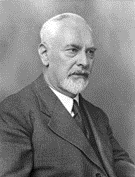 Leben:Ludwig Prandtl (February 4, 1875 in Freising; August 15, 1953 in Göttingen) was a German engineer. He made significant contributions to the basic understanding of fluid mechanics and developed boundary layer theory.Prandtl was born as the son of the agricultural scientist and professor Alexander Prandtl and his wife Magdalene née Ostermann. The chemist Wilhelm Prandtl is his cousin. After attending the FreisingEr Latin School and the Ludwigsgymnasium in Munich, Prandtl began his studies at the Technical University of Munich in 1894. During his studies he became a member of the AGV Munich. After graduation, he became an assistant and later also the son-in-law of the famous mechanics professor August Föppl. He submitted his dissertation on 14 November 1899 to the Ludwig Maximilian University of Munich as a “certified machine engineer”. In 1900 he became the Dr. phil. Awarded.In 1901, in the work of a machinery factory, the air flow separation problem was discovered by improving the device that uses pipes to absorb waste chips. Later, as a professor at the University of Hanover, he used a homemade sink to observe surface flow, and three years later proposed the theory of the boundary layer. He presented a paper on the boundary layer at the 1904 Heidelberg International Mathematical Conference (full name is “The Movement of Fluids with Little Stickiness”), and was praised by Felix Klein, a professor of mathematics at the University of Göttingen, who recommended him as head of the Department of Applied Mechanics at the University of Göttingen and later supported his establishment and chair of the Aerodynamic Laboratory and the William Royal Institute of Fluid Mechanics. Over the past half-century, Pruitt has paid attention to the link between theory and practice and achieved many pioneering achievements in aesthetics.From 1906 to 1908, Theodore was a doctoral student. Due to the border layer theory he developed, he was also appointed head of the Aerodynamic Experimental Institute Göttingen (AVA), predecessor organization of the German Aerospace Center (DLR) in 1909. In 1907 he researched the supersonic current and the resulting shock waves, which were theoretically predicted by the Göttingen mathematician Bernhard Riemann as early as 1860. In 1908 he built the first wind tunnel in Germany and developed a wing theory that influenced aircraft construction. In 1910 he explored turbulent currents and, among other things, the influence of the Prandtl number, which was later named after him.During the First World War, his model test facility for flow research was converted into the Research Institute for the Army and Navy, where from 1917 the bombing of airships and aircraft was also optimized. With Max Michael Munk and Albert Betz (who became his successor at the Aerodynamic Experimental Institute Göttingen in 1936) he worked on an effective formula for the investigation of buoyancy. In 1919, he produced a significant wing theory, which made it possible for the first time to develop wing profiles by means of theoretical studies. Prandtl also investigated the compressibility of the air at subsonic speed, also known as Prandtl-Glauert transformation. From 1920 he worked together with Adolf Busemann on a wind tunnel for supersonic currents. In 1922 he was the founding president of the Society for Applied Mathematics and Mechanics. In 1929, he developed a method for calculating supersonic nozzles, which is still used today .B in supersonic wind tunnels and rocket engines.From 1925 to 1946, Prandtl was director of the Kaiser Wilhelm Institute for Flow Research, which was established thanks to his initiative. During the Second World War, in 1942, he became chairman of the Reich’s Research Office of the Reich Aviation Minister and Commander-in-Chief of the Luftwaffe, which was subordinate to Hermann Göring.In the German-speaking world, prandtl, together with Cyril Frank Colebrook, is named an empirical approximation of the flow with the number of pipe frictions (Prandtl-Colebrook formula, in the English-speaking area: Colebrook-White equation). Prandtl was also a pioneer in plasticity theory. Thus, his theory of plastic bodies fertilized soil mechanics in the analysis of the ground break. The Prandtl body, a rheological model, is named after him. In his honour, the German Aerospace Society awards the Ludwig Prandtl Ring for services to his own outstanding work on aviation science in all its disciplines.Family:He had been married to Gertrud Föppl, daughter of August Föppl, since 1909 and had two daughters. The younger daughter, Johanna (later Johanna Vogel-Prandtl), later wrote a biography of her father. He was also the brother-in-law of Otto Föppl (mechanical engineer at the TH Braunschweig), Ludwig Föppl (mechanical engineer at the TH Munich) and Johannes (Hans) Thoma (electrical engineer at the TH Karlsruhe), the latter was married to Else Föppl.4. 冯•卡门(Theodore von Kármán) Leben:Ludwig Prandtl (February 4, 1875 in Freising; August 15, 1953 in Göttingen) was a German engineer. He made significant contributions to the basic understanding of fluid mechanics and developed boundary layer theory.Prandtl was born as the son of the agricultural scientist and professor Alexander Prandtl and his wife Magdalene née Ostermann. The chemist Wilhelm Prandtl is his cousin. After attending the FreisingEr Latin School and the Ludwigsgymnasium in Munich, Prandtl began his studies at the Technical University of Munich in 1894. During his studies he became a member of the AGV Munich. After graduation, he became an assistant and later also the son-in-law of the famous mechanics professor August Föppl. He submitted his dissertation on 14 November 1899 to the Ludwig Maximilian University of Munich as a “certified machine engineer”. In 1900 he became the Dr. phil. Awarded.In 1901, in the work of a machinery factory, the air flow separation problem was discovered by improving the device that uses pipes to absorb waste chips. Later, as a professor at the University of Hanover, he used a homemade sink to observe surface flow, and three years later proposed the theory of the boundary layer. He presented a paper on the boundary layer at the 1904 Heidelberg International Mathematical Conference (full name is “The Movement of Fluids with Little Stickiness”), and was praised by Felix Klein, a professor of mathematics at the University of Göttingen, who recommended him as head of the Department of Applied Mechanics at the University of Göttingen and later supported his establishment and chair of the Aerodynamic Laboratory and the William Royal Institute of Fluid Mechanics. Over the past half-century, Pruitt has paid attention to the link between theory and practice and achieved many pioneering achievements in aesthetics.From 1906 to 1908, Theodore was a doctoral student. Due to the border layer theory he developed, he was also appointed head of the Aerodynamic Experimental Institute Göttingen (AVA), predecessor organization of the German Aerospace Center (DLR) in 1909. In 1907 he researched the supersonic current and the resulting shock waves, which were theoretically predicted by the Göttingen mathematician Bernhard Riemann as early as 1860. In 1908 he built the first wind tunnel in Germany and developed a wing theory that influenced aircraft construction. In 1910 he explored turbulent currents and, among other things, the influence of the Prandtl number, which was later named after him.During the First World War, his model test facility for flow research was converted into the Research Institute for the Army and Navy, where from 1917 the bombing of airships and aircraft was also optimized. With Max Michael Munk and Albert Betz (who became his successor at the Aerodynamic Experimental Institute Göttingen in 1936) he worked on an effective formula for the investigation of buoyancy. In 1919, he produced a significant wing theory, which made it possible for the first time to develop wing profiles by means of theoretical studies. Prandtl also investigated the compressibility of the air at subsonic speed, also known as Prandtl-Glauert transformation. From 1920 he worked together with Adolf Busemann on a wind tunnel for supersonic currents. In 1922 he was the founding president of the Society for Applied Mathematics and Mechanics. In 1929, he developed a method for calculating supersonic nozzles, which is still used today .B in supersonic wind tunnels and rocket engines.From 1925 to 1946, Prandtl was director of the Kaiser Wilhelm Institute for Flow Research, which was established thanks to his initiative. During the Second World War, in 1942, he became chairman of the Reich’s Research Office of the Reich Aviation Minister and Commander-in-Chief of the Luftwaffe, which was subordinate to Hermann Göring.In the German-speaking world, prandtl, together with Cyril Frank Colebrook, is named an empirical approximation of the flow with the number of pipe frictions (Prandtl-Colebrook formula, in the English-speaking area: Colebrook-White equation). Prandtl was also a pioneer in plasticity theory. Thus, his theory of plastic bodies fertilized soil mechanics in the analysis of the ground break. The Prandtl body, a rheological model, is named after him. In his honour, the German Aerospace Society awards the Ludwig Prandtl Ring for services to his own outstanding work on aviation science in all its disciplines.Family:He had been married to Gertrud Föppl, daughter of August Föppl, since 1909 and had two daughters. The younger daughter, Johanna (later Johanna Vogel-Prandtl), later wrote a biography of her father. He was also the brother-in-law of Otto Föppl (mechanical engineer at the TH Braunschweig), Ludwig Föppl (mechanical engineer at the TH Munich) and Johannes (Hans) Thoma (electrical engineer at the TH Karlsruhe), the latter was married to Else Föppl.4. 冯•卡门(Theodore von Kármán)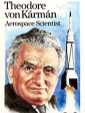 LebenTheodore of Korman (May 11, 1881 in Budapest, Austria-Hungary as The City of K.R., the town of Korman, T.D.; May 7, 1963 in Aachen.) he was a Hungarian-American physicist and aeronautical engineer. He is considered a pioneer of modern aerodynamics and aviation and rocket research.He was the third of five children born to a distinguished Jewish family in Budapest. His father taught pedagogy in Budapest. His son, Theodore, studied engineering at the Technical University of Budapest from 1898 to 1902. In 1903 he worked as a university assistant and at the same time at Ganz & Cie. A scholarship allowed him to move to the University of Göttingen in 1906 to Ludwig Prandtl and Felix Klein, where he received his doctorate in 1908 with a thesis on elasticity theory (buckling strength of rods). [1] In 1910 he habilitated in Göttingen.In 1911 and 1912, he published his best-known work on the later named “Kormén’s Vertebral Roads”. In Göttingen, he also worked with Max Born on specific heat in the quantum theory of crystal lattices (Born-von-Korrim model).With some of his early works, he is also counted among the pioneers of plasticity theory. In 1910 and 1913 he wrote the articles on strength theory in the encyclopedia of mathematical sciences (partly with August Föppl) and in 1910 he invented the triaxial device. In the 1920s he continued to publish works on plasticity theory.In 1913 he followed a call to the “Royal Rheinisch-West-Phälische Polytechnical School” in Aachen (today: RWTH Aachen), where he headed the Institute of Mechanics and Aerodynamics (now the Institute of General Mechanics)[3]. During this time he lived in the neighbouring Dutch town of Vaals.Towards the end of the First World War, he and the designers Stephan Petr czy von Petrcz and Wilhelm Zurovec conducted successful flight tests with the PKZ-1 and PKZ-2 screwrestraint pilots named after them on behalf of the K.u.k. Army. Such vertically ascending aircraft were intended to replace the previously common bondballoons for enemy observation. The PKZ-2 reached an altitude of about 50 meters, which was a record at the time. During a demonstration flight on June 10, 1918 in Fischamend, the device crashed. The war that ended prevented further development.In 1919, he was a close associate of Béla Fogarasi in the Department of Higher Education of the Hungarian Council Republic.In 1920, together with Wolfgang Klemperer, he founded the Aachen Air Science Association, an association of students of the RWTH that is still active in aerospace research. Together with Klemperer, the glider FVA-1 “Schwatze Düvel” was designed there on the occasion of the “first Rhön gliding and gliding competition”, which Klemperer was able to finish victoriously with its construction.From 1926 he began to move his research activities to the USA. There he worked at the California Institute of Technology, where he took over the management of the Aeronautical Laboratory in 1929 and remained until 1949. Initially, he shuttled back and forth between the UNITED States and Germany. In 1933, he applied for leave of absence in Aachen if he remained in Aachen for at least a full year of study.In the spring of 1933, the denunciation measures of the student body began at the RWTH Aachen University. The ASTA (General Students’ Committee) and the student leaders sent the specially set up denunciation committee, consisting of Hermann Bonin, Hubert Hoff, Felix Rötscher, Adolf Wallichs, and Robert Hans Wentzel, messages about which of the lecturers and professors were of “non-Aarian” descent or had supposedly or actually an undesirable political attitude. According to the law on the restoration of professional civil servants on the basis of his Jewish origin, the other non-Aryan professors Otto Blumenthal, Arthur Guttmann, Walter Maximilian Fuchs, Ludwig Hopf, Paul Ernst Levy, Karl Walter Mautner, Alfred Meusel, Leopold Karl Pick, Rudolf Ruer, Hermann Salmang and Ludwig Strauss were to be stripped of their teaching licences. He was officially discharged from the civil service in 1934. Despite the dismissal, the German Ministry of Aviation wanted to hire the aerodynamics expert as a consultant, but this was rejected by Mr. Korman.In Pasadena, California, the Jet Propulsion Laboratory was built by Kormen. He was an adviser to the U.S. Air Force and founded the Aerospace Medicine Panel of the Advisory Group of Aerospace Research and Development (AGARD), an aerospace research facility of NATO. In 1942, he founded the Aerojet General Corporation. It became one of the world’s leading manufacturers of rocket technology.From its foundation in 1956 until his death, he was the head of the Von Karman Institute of Fluid Mechanics in Belgium. He died in 1963 during a cure in Aachen. LebenTheodore of Korman (May 11, 1881 in Budapest, Austria-Hungary as The City of K.R., the town of Korman, T.D.; May 7, 1963 in Aachen.) he was a Hungarian-American physicist and aeronautical engineer. He is considered a pioneer of modern aerodynamics and aviation and rocket research.He was the third of five children born to a distinguished Jewish family in Budapest. His father taught pedagogy in Budapest. His son, Theodore, studied engineering at the Technical University of Budapest from 1898 to 1902. In 1903 he worked as a university assistant and at the same time at Ganz & Cie. A scholarship allowed him to move to the University of Göttingen in 1906 to Ludwig Prandtl and Felix Klein, where he received his doctorate in 1908 with a thesis on elasticity theory (buckling strength of rods). [1] In 1910 he habilitated in Göttingen.In 1911 and 1912, he published his best-known work on the later named “Kormén’s Vertebral Roads”. In Göttingen, he also worked with Max Born on specific heat in the quantum theory of crystal lattices (Born-von-Korrim model).With some of his early works, he is also counted among the pioneers of plasticity theory. In 1910 and 1913 he wrote the articles on strength theory in the encyclopedia of mathematical sciences (partly with August Föppl) and in 1910 he invented the triaxial device. In the 1920s he continued to publish works on plasticity theory.In 1913 he followed a call to the “Royal Rheinisch-West-Phälische Polytechnical School” in Aachen (today: RWTH Aachen), where he headed the Institute of Mechanics and Aerodynamics (now the Institute of General Mechanics)[3]. During this time he lived in the neighbouring Dutch town of Vaals.Towards the end of the First World War, he and the designers Stephan Petr czy von Petrcz and Wilhelm Zurovec conducted successful flight tests with the PKZ-1 and PKZ-2 screwrestraint pilots named after them on behalf of the K.u.k. Army. Such vertically ascending aircraft were intended to replace the previously common bondballoons for enemy observation. The PKZ-2 reached an altitude of about 50 meters, which was a record at the time. During a demonstration flight on June 10, 1918 in Fischamend, the device crashed. The war that ended prevented further development.In 1919, he was a close associate of Béla Fogarasi in the Department of Higher Education of the Hungarian Council Republic.In 1920, together with Wolfgang Klemperer, he founded the Aachen Air Science Association, an association of students of the RWTH that is still active in aerospace research. Together with Klemperer, the glider FVA-1 “Schwatze Düvel” was designed there on the occasion of the “first Rhön gliding and gliding competition”, which Klemperer was able to finish victoriously with its construction.From 1926 he began to move his research activities to the USA. There he worked at the California Institute of Technology, where he took over the management of the Aeronautical Laboratory in 1929 and remained until 1949. Initially, he shuttled back and forth between the UNITED States and Germany. In 1933, he applied for leave of absence in Aachen if he remained in Aachen for at least a full year of study.In the spring of 1933, the denunciation measures of the student body began at the RWTH Aachen University. The ASTA (General Students’ Committee) and the student leaders sent the specially set up denunciation committee, consisting of Hermann Bonin, Hubert Hoff, Felix Rötscher, Adolf Wallichs, and Robert Hans Wentzel, messages about which of the lecturers and professors were of “non-Aarian” descent or had supposedly or actually an undesirable political attitude. According to the law on the restoration of professional civil servants on the basis of his Jewish origin, the other non-Aryan professors Otto Blumenthal, Arthur Guttmann, Walter Maximilian Fuchs, Ludwig Hopf, Paul Ernst Levy, Karl Walter Mautner, Alfred Meusel, Leopold Karl Pick, Rudolf Ruer, Hermann Salmang and Ludwig Strauss were to be stripped of their teaching licences. He was officially discharged from the civil service in 1934. Despite the dismissal, the German Ministry of Aviation wanted to hire the aerodynamics expert as a consultant, but this was rejected by Mr. Korman.In Pasadena, California, the Jet Propulsion Laboratory was built by Kormen. He was an adviser to the U.S. Air Force and founded the Aerospace Medicine Panel of the Advisory Group of Aerospace Research and Development (AGARD), an aerospace research facility of NATO. In 1942, he founded the Aerojet General Corporation. It became one of the world’s leading manufacturers of rocket technology.From its foundation in 1956 until his death, he was the head of the Von Karman Institute of Fluid Mechanics in Belgium. He died in 1963 during a cure in Aachen. |
5. 钱伟长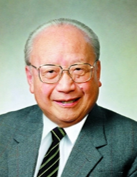 简介:钱伟长(1912.10.9-2010.7.30),江苏无锡人,中国力学家、应用数学家、教育家,中国科学院院士,上海大学校长,暨南大学董事会董事长,南京大学,南京航空航天大学,江南大学,耀华中学名誉校长。中国近代力学、应用数学的奠基人之一。中国人民政治协商会议第六届、七届、八届和九届全国委员会副主席,中国民主同盟中央副主席、名誉主席。与钱学森、钱三强并称为“三钱”。5.1 人物经历1935年清华大学物理系毕业后,考取清华大学研究院。1940年赴加拿大多伦多大学应用数学系学习,主攻弹性力学,1942年获多伦多大学博士学位。1942年至1946年,任美国加州理工学院喷射推进研究所研究总工程师,师从世界导弹之父冯·卡门,从事博士后科学研究。研究火箭弹道、火箭的空气动力学设计、气象火箭、人造卫星轨道、气阻损失、降落伞运动、火箭飞行的稳定性、变扭率的扭转、超音速对称锥流等问题。并发表了世界上第一篇关于奇异摄动的理论,被国际上公认该领域的奠基人。1946年回国后,应聘为清华大学机械系教授,兼北京大学、燕京大学教授。1955年被选聘为中国科学院学部委员(院士)。1956年当选为波兰科学院外籍院士。中国人民政治协商会议第六至第九届全国委员会副主席,中国民主同盟第五届、六届、七届中央委员会副主席,第七届、八届、九届名誉主席,中国力学学会第一、二届理事会副理事长。曾任中国科学院力学研究所副所长、研究员,中国科学院自动化研究所筹备处主任、所长,中国科学院学术秘书、中华全国自然科学专门学会联合会组织部部长,中华全国青年联合会副秘书长,民盟中央常委,清华大学副教务长、教务长、副校长,上海工业大学校长,上海大学校长,漳州职业大学名誉校长,沙洲职业工学院名誉院长,南京大学、南京航空航天大学名誉校长,江南大学名誉校长、名誉董事长,暨南大学名誉校长、董事长,扬州大学名誉董事长,上海大学附属中学名誉校长,天津市耀华中学名誉校长,重庆交通大学《应用数学与力学》杂志主编,上海市欧美同学会名誉会长,中国海外交流协会会长,中国和平统一促进会会长等职务。钱伟长兼长应用数学、力学、物理学、中文信息学,在弹性力学、变分原理、摄动方法等领域有重要成就。5.2主要著作:《中国历史上的科学发明》1953年8月《弹性圆薄板大挠度问题》1954年3月《弹性柱体的扭转理论》1956年4月,1957年出俄译本《弹性力学》(钱伟长、叶开沅著)1956年1月《锌空气(氧)电池进展》1975年4月《波纹管、波登管、弯管膨胀接头、环壳和旋转壳文献目录》(钱伟长、冯思慎编辑)1978年12月《变分法和有限元》1979年《现代科学技术词典》1980年《变分法及有限元(上册)》1980年8月《应用数学与力学论文集》1980年11月《奇异摄动理论及其在力学中的应用》1981年8月《穿甲力学》1984年《新技术革命十五讲》(收文1篇)1984年1月《广义变分原理》1985年3月《我国社会经济和科技发展战略问题》(钱伟长等著)1987年3月《中国历史上的科学发明》1989年1月《钱伟长科学论文选集》1989年9月《格林函数和变分法在电磁场和电磁波计算中的应用》1989年2月《王宽诚教育基金会学术讲座汇编.第3集》1990年《钱伟长文选》1992年《微分方程的理论及其解法》1992年《电机设计强度计算的理论基础》1992年《区域发展战略研究:总论》(费孝通,钱伟长主编)1992年1月《第二届国际非线性力学会议论文集》(Proceedings of the 2nd international conference on nonlinear mechanics)1993年《区域发展战略研究.黄河三角洲–东营篇》(费孝通,钱伟长主编)1993年《王宽诚教育基金会学术讲座汇编.第6集》1993年11月《应用数学》1993年8月《区域发展战略研究.淄博篇》(费孝通,钱伟长主编)1994年《钱伟长学术论著自选集 》1994年12月《王宽诚教育基金会学术讲座汇编.第7集》1994年2月《钱伟长科学论文集:1989-1994》(收1937-1987的论文)1995年《区域发展战略研究.沧州篇》费孝通,钱伟长主编1995年《一代师表叶企孙》1995年《王宽诚教育基金会学术讲座.第11集》1996年《王宽诚教育基金会学术讲座.第14集》1997年《八十自述》1998年《第三届国际非线性力学会议论文》1998年《王宽诚教育基金会学术讲座汇编.第15集》1998年6月《王宽诚教育基金会学术讲座汇编.第16集》1998年6月《王宽诚教育基金会学术讲座汇编.第17集》1999年《王宽诚教育基金会学术讲座汇编.第18集》1999年《王宽诚教育基金会学术讲座汇编.第19集》2000年《格林函数和变分法在电磁场和电磁波计算中的应用(修订版)》2000年《教育和教学问题的思考》2000年12月《钱伟长科学论文集:1981-1982 第一册》《钱伟长科学论文集:1981-1982 第二册》《张量分析》(爱林根著,钱伟长译)6. 陈至达 简介:钱伟长(1912.10.9-2010.7.30),江苏无锡人,中国力学家、应用数学家、教育家,中国科学院院士,上海大学校长,暨南大学董事会董事长,南京大学,南京航空航天大学,江南大学,耀华中学名誉校长。中国近代力学、应用数学的奠基人之一。中国人民政治协商会议第六届、七届、八届和九届全国委员会副主席,中国民主同盟中央副主席、名誉主席。与钱学森、钱三强并称为“三钱”。5.1 人物经历1935年清华大学物理系毕业后,考取清华大学研究院。1940年赴加拿大多伦多大学应用数学系学习,主攻弹性力学,1942年获多伦多大学博士学位。1942年至1946年,任美国加州理工学院喷射推进研究所研究总工程师,师从世界导弹之父冯·卡门,从事博士后科学研究。研究火箭弹道、火箭的空气动力学设计、气象火箭、人造卫星轨道、气阻损失、降落伞运动、火箭飞行的稳定性、变扭率的扭转、超音速对称锥流等问题。并发表了世界上第一篇关于奇异摄动的理论,被国际上公认该领域的奠基人。1946年回国后,应聘为清华大学机械系教授,兼北京大学、燕京大学教授。1955年被选聘为中国科学院学部委员(院士)。1956年当选为波兰科学院外籍院士。中国人民政治协商会议第六至第九届全国委员会副主席,中国民主同盟第五届、六届、七届中央委员会副主席,第七届、八届、九届名誉主席,中国力学学会第一、二届理事会副理事长。曾任中国科学院力学研究所副所长、研究员,中国科学院自动化研究所筹备处主任、所长,中国科学院学术秘书、中华全国自然科学专门学会联合会组织部部长,中华全国青年联合会副秘书长,民盟中央常委,清华大学副教务长、教务长、副校长,上海工业大学校长,上海大学校长,漳州职业大学名誉校长,沙洲职业工学院名誉院长,南京大学、南京航空航天大学名誉校长,江南大学名誉校长、名誉董事长,暨南大学名誉校长、董事长,扬州大学名誉董事长,上海大学附属中学名誉校长,天津市耀华中学名誉校长,重庆交通大学《应用数学与力学》杂志主编,上海市欧美同学会名誉会长,中国海外交流协会会长,中国和平统一促进会会长等职务。钱伟长兼长应用数学、力学、物理学、中文信息学,在弹性力学、变分原理、摄动方法等领域有重要成就。5.2主要著作:《中国历史上的科学发明》1953年8月《弹性圆薄板大挠度问题》1954年3月《弹性柱体的扭转理论》1956年4月,1957年出俄译本《弹性力学》(钱伟长、叶开沅著)1956年1月《锌空气(氧)电池进展》1975年4月《波纹管、波登管、弯管膨胀接头、环壳和旋转壳文献目录》(钱伟长、冯思慎编辑)1978年12月《变分法和有限元》1979年《现代科学技术词典》1980年《变分法及有限元(上册)》1980年8月《应用数学与力学论文集》1980年11月《奇异摄动理论及其在力学中的应用》1981年8月《穿甲力学》1984年《新技术革命十五讲》(收文1篇)1984年1月《广义变分原理》1985年3月《我国社会经济和科技发展战略问题》(钱伟长等著)1987年3月《中国历史上的科学发明》1989年1月《钱伟长科学论文选集》1989年9月《格林函数和变分法在电磁场和电磁波计算中的应用》1989年2月《王宽诚教育基金会学术讲座汇编.第3集》1990年《钱伟长文选》1992年《微分方程的理论及其解法》1992年《电机设计强度计算的理论基础》1992年《区域发展战略研究:总论》(费孝通,钱伟长主编)1992年1月《第二届国际非线性力学会议论文集》(Proceedings of the 2nd international conference on nonlinear mechanics)1993年《区域发展战略研究.黄河三角洲–东营篇》(费孝通,钱伟长主编)1993年《王宽诚教育基金会学术讲座汇编.第6集》1993年11月《应用数学》1993年8月《区域发展战略研究.淄博篇》(费孝通,钱伟长主编)1994年《钱伟长学术论著自选集 》1994年12月《王宽诚教育基金会学术讲座汇编.第7集》1994年2月《钱伟长科学论文集:1989-1994》(收1937-1987的论文)1995年《区域发展战略研究.沧州篇》费孝通,钱伟长主编1995年《一代师表叶企孙》1995年《王宽诚教育基金会学术讲座.第11集》1996年《王宽诚教育基金会学术讲座.第14集》1997年《八十自述》1998年《第三届国际非线性力学会议论文》1998年《王宽诚教育基金会学术讲座汇编.第15集》1998年6月《王宽诚教育基金会学术讲座汇编.第16集》1998年6月《王宽诚教育基金会学术讲座汇编.第17集》1999年《王宽诚教育基金会学术讲座汇编.第18集》1999年《王宽诚教育基金会学术讲座汇编.第19集》2000年《格林函数和变分法在电磁场和电磁波计算中的应用(修订版)》2000年《教育和教学问题的思考》2000年12月《钱伟长科学论文集:1981-1982 第一册》《钱伟长科学论文集:1981-1982 第二册》《张量分析》(爱林根著,钱伟长译)6. 陈至达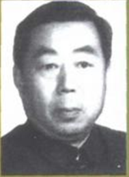 简介:陈至达(1927-1998),福建漳州人,1927年9月12日出生。我国力学界著名的科学家。第六、七届全国人大代表。中国矿业大学教授、著名力学科学家,矿大工程力学和岩土工程创始人、奠基人之一。1979年陈至达晋升为教授,出任中国矿业大学北京研究生部矿山工程力学研究室主任,之后被批准为首批博士生导师。陈至达先生和杨善元先生是中国矿业大学工程力学和岩土工程国家重点学科的创始人、奠基人。6.1 人物经历1948年毕业于厦门大学机械系,师从钱伟长教授、张维教授进行力学方面的研究。1948.10-1949.10,上海工业试验所,助理工程师;1952年清华大学机械系力学研究所研究生毕业;1952.10历任中国矿业大学北京研究生部讲师、教授、工程力学研究室主任;著有《非线性连续体力学》、《杆、板、壳大变形理论》。培养了获“中国青年科学家”称号的谢和平教授等40多位博士、硕士生。1989年被评为“全国优秀归侨、侨眷知识分子”。早在50年代,他在研究冶金轧机围盘线材的塑性变形问题时就以独特的见解在力学界初露头角。1958年正当他风华正茂之时,被错划为“右派”,他忍辱负重,埋头苦干,刻苦钻研。1962年在《力学学报》上发表了关于光测应力问题直接数值计算的论文。国务院学位委员会学科评议组成员;国家教委科技委员会委员;人事部博士后管委会专家组成员;《应用数学和力学》编辑委员会,常务编委,杂志副主编;中国力学学会理事。6.2 主要贡献学术成果:建立非线性几何场论和有限变形力学新理论。对工程科学及自然科学的发展具有重要的影响。专著论文:1988, 有理力学;矿大出版社等;1994, 杆、板,壳形理论,科学出版社。获奖记录:1985年,被江苏省人民政府授予优秀教育工作者称号;1986年-1988年,连续3年获煤炭部机关及在京直属单位先进工作者称号;1989年,获全国优秀归侨、侨眷知识分子称号;1992年,被评为江苏省普通高校优秀学科带头人;1997年,被授予全国优秀科技工作者称号;1987年-1992年,两次当选全国人大代表;1991年,分形几何,国家教委,科学技术进步奖,一等。7. 谢和平 简介:陈至达(1927-1998),福建漳州人,1927年9月12日出生。我国力学界著名的科学家。第六、七届全国人大代表。中国矿业大学教授、著名力学科学家,矿大工程力学和岩土工程创始人、奠基人之一。1979年陈至达晋升为教授,出任中国矿业大学北京研究生部矿山工程力学研究室主任,之后被批准为首批博士生导师。陈至达先生和杨善元先生是中国矿业大学工程力学和岩土工程国家重点学科的创始人、奠基人。6.1 人物经历1948年毕业于厦门大学机械系,师从钱伟长教授、张维教授进行力学方面的研究。1948.10-1949.10,上海工业试验所,助理工程师;1952年清华大学机械系力学研究所研究生毕业;1952.10历任中国矿业大学北京研究生部讲师、教授、工程力学研究室主任;著有《非线性连续体力学》、《杆、板、壳大变形理论》。培养了获“中国青年科学家”称号的谢和平教授等40多位博士、硕士生。1989年被评为“全国优秀归侨、侨眷知识分子”。早在50年代,他在研究冶金轧机围盘线材的塑性变形问题时就以独特的见解在力学界初露头角。1958年正当他风华正茂之时,被错划为“右派”,他忍辱负重,埋头苦干,刻苦钻研。1962年在《力学学报》上发表了关于光测应力问题直接数值计算的论文。国务院学位委员会学科评议组成员;国家教委科技委员会委员;人事部博士后管委会专家组成员;《应用数学和力学》编辑委员会,常务编委,杂志副主编;中国力学学会理事。6.2 主要贡献学术成果:建立非线性几何场论和有限变形力学新理论。对工程科学及自然科学的发展具有重要的影响。专著论文:1988, 有理力学;矿大出版社等;1994, 杆、板,壳形理论,科学出版社。获奖记录:1985年,被江苏省人民政府授予优秀教育工作者称号;1986年-1988年,连续3年获煤炭部机关及在京直属单位先进工作者称号;1989年,获全国优秀归侨、侨眷知识分子称号;1992年,被评为江苏省普通高校优秀学科带头人;1997年,被授予全国优秀科技工作者称号;1987年-1992年,两次当选全国人大代表;1991年,分形几何,国家教委,科学技术进步奖,一等。7. 谢和平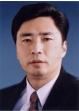 简介:谢和平(1956.01.07-),湖南双峰人,能源与力学专家,中国工程院院士,深圳大学特聘教授,深圳大学深地科学与绿色能源研究院院长,四川大学原校长、教授博导。中国共产党党员、第十二届全国人民代表大会四川代表,国务院学位委员会委员,中国科学技术协会常委。国家重点研发计划“深部岩体力学与开采理论”项目负责人。1978年谢和平进入中国矿业大学学习,先后获得学士、硕士、博士学位;1986年加入中国共产党;1987年博士毕业后留校任教,先后担任副教授、教授;1993年至1995年担任中国矿业大学副校长;1995年获得首批国家杰出青年科学基金资助;1996年入选国家七部委“百千万人才工程”第一、二层次;1997年至1998年担任原煤炭工业部科技教育司司长;1998年至2003年担任中国矿业大学校长;2001年当选中国工程院院士;2002年担任国家973项目首席科学家;2003年担任国家自然科学基金委创新研究群体首席科学家;2003年至2017年担任四川大学党委常委、校长;2012年当选四川省科学技术协会第八届委员会主席;2018年获得第七届“IET杰出大学校长奖”。谢和平长期致力于采矿工程、矿山工程力学、绿色能源开发利用及深地科学领域的基础研究与工程实践,特别是破断煤岩体力学研究方面具有突出成果。在我国最早建立了矿山裂隙岩体宏观损伤力学模型,开拓了矿山裂隙岩体损伤力学研究新领域。1982年起,创造性引入分形方法对裂隙岩体进行非连续变形、强度和断裂破坏研究,并与损伤力学结合在国际上开创了岩石力学分形研究新领域。近年来,在深地科学探索领域,包括深地固体资源流态化开采、中低温地热发电、地下空间开发利用、海水能源化及深地医学等领域提出了创新性理念与构想,并在绿色能源、低碳技术与CO2矿化及综合利用技术领域进行了深入探索,取得了重要进展。 简介:谢和平(1956.01.07-),湖南双峰人,能源与力学专家,中国工程院院士,深圳大学特聘教授,深圳大学深地科学与绿色能源研究院院长,四川大学原校长、教授博导。中国共产党党员、第十二届全国人民代表大会四川代表,国务院学位委员会委员,中国科学技术协会常委。国家重点研发计划“深部岩体力学与开采理论”项目负责人。1978年谢和平进入中国矿业大学学习,先后获得学士、硕士、博士学位;1986年加入中国共产党;1987年博士毕业后留校任教,先后担任副教授、教授;1993年至1995年担任中国矿业大学副校长;1995年获得首批国家杰出青年科学基金资助;1996年入选国家七部委“百千万人才工程”第一、二层次;1997年至1998年担任原煤炭工业部科技教育司司长;1998年至2003年担任中国矿业大学校长;2001年当选中国工程院院士;2002年担任国家973项目首席科学家;2003年担任国家自然科学基金委创新研究群体首席科学家;2003年至2017年担任四川大学党委常委、校长;2012年当选四川省科学技术协会第八届委员会主席;2018年获得第七届“IET杰出大学校长奖”。谢和平长期致力于采矿工程、矿山工程力学、绿色能源开发利用及深地科学领域的基础研究与工程实践,特别是破断煤岩体力学研究方面具有突出成果。在我国最早建立了矿山裂隙岩体宏观损伤力学模型,开拓了矿山裂隙岩体损伤力学研究新领域。1982年起,创造性引入分形方法对裂隙岩体进行非连续变形、强度和断裂破坏研究,并与损伤力学结合在国际上开创了岩石力学分形研究新领域。近年来,在深地科学探索领域,包括深地固体资源流态化开采、中低温地热发电、地下空间开发利用、海水能源化及深地医学等领域提出了创新性理念与构想,并在绿色能源、低碳技术与CO2矿化及综合利用技术领域进行了深入探索,取得了重要进展。谢和平院士为国家973项目首席科学家(2次),国家自然科学基金委创新研究群体首席科学家。首届“中国青年科学家奖(技术科学)”,何梁何利科技进步奖(技术科学奖),国家自然科学二、三等奖,国家科技进步二、三等奖,均为第一获奖人。被英国Nottingham大学、德国Clausthal工业大学、香港理工大学授予“荣誉博士”学位,获牛津大学授予“牛津大学圣艾德蒙Fellow”学术称号。2001年当选为中国工程院院士。科研贡献:20世纪80年代,谢和平在中国最早建立了裂隙岩体宏观损伤力学模型来研究其自然性状及导致灾害性事故发生的机理和过程,开拓了裂隙岩体损伤力学研究新领域,并应用于深部巷道大变形预测、蠕变分析及其相关的巷道支护设计等重要工程领域。1985年起他创造性地引入分形方法对裂隙岩体进行非连续变形、强度和断裂破坏的研究,形成了裂隙岩体非连续行为分形研究的新方向,并与损伤力学相结合在岩爆、地表沉陷、顶煤破碎块度控制等重要工程应用中应用,他的主要学术成果包括以下几个方面:7.1岩体损伤力学研究岩体为天然损伤体,其变形特征为大变形,常规方法难以准确描述和计算。20世纪80年代他在中国国内首先提出了一个考虑裂隙岩体能量耗散和大变形的损伤因子,建立了岩石损伤断裂全过程的损伤演化方程和本构模型;提出了岩石蠕变非线性大变形损伤理论及有限元数值方法,成功预测了采动围岩的损伤大变形程度和蠕变稳定过程,从而广泛应用于岩层移动和巷道大变形预测等重要工程领域。7.2岩体力学的分形研究岩体工程中经常遇到断层、节理、破碎断裂、矿体块度控制等非连续行为,他在岩石损伤力学描述岩体整体宏观连续性行为基础上,创造性地引入分形方法对裂隙岩体的非连续行为进行研究,并在裂隙岩体工程中得到了应用。对岩体中的节理断层,他应用分形方法建立了节理构形模型,得到节理分维值与JRc(节理粗糙系数)的定量关系,对JRc进行了准确预测。同时利用分形方法系统研究了节理粗糙性对抗剪强度、剪切变形、应力集中程度以及接触性质的影响关系,为相关的节理岩体工程设计提供了理论依据。对矿山采动引起的岩体破坏断裂行为,他应用分形方法建立了岩石穿晶断裂、穿晶沿晶耦合断裂的分形模型,推导出岩石断裂破坏的临界扩展力,推广了Griffith准则并得到实验验证。针对岩石动态断裂行为,他建立了岩石动态裂纹扩展力学行为与细观结构关系的分形模型,从宏观上定量解释了岩石动态裂纹扩展速率实验值远低于理论值、裂纹分岔导致断裂韧性增加的物理机制,从全新角度分析了岩体动静态裂纹扩展规律和行为,为矿山采动引起的冲击地压、边坡失稳等重大工程灾害的科学预测与控制提供了理论基础。7.3研究成果的工程应用原煤炭部“九五”科技重点攻关项目“坚硬厚煤层综放开采关键技术研究”中顶煤块度控制是该项目的关键技术。他运用分形方法和能量耗散理论建立了顶煤破碎块度控制的数学力学模型,由此提出和设计一套“顶煤弱化预爆破技术方案”,保证了顶煤放落的块度要求,提高了回收率,使大同硬煤条件下放顶煤技术获得成功。对富含断层和节理的非连续矿山岩体的开采沉陷问题,他首次应用分形方法得到了岩体断层滑移、沉陷量与节理空间分布、粗糙度的定量关系;提出用局部有限样本进行分形插值获得矿山深部断层表面形态的方法;研究了富含节理和断层的上覆岩体破坏和地表移动规律。波兰国家科委连续三年资助该成果在中国和波兰矿山的应用和深入研究,成果在河南鹤壁矿务局应用,取得了直接经济效益。7.4学术论著截至2015年8月,谢和平出版中英文专著6部、在中国国内外学术刊物上发表论文200余篇,被SCI收录40余篇、引用300余次。国际岩石力学学会邀请他撰写了英文专著《Fractals in Rock Mechanics》,作为国际岩石力学研究丛书第一卷,1993年由Balkema出版社出版,他是该丛书的唯一中国作者。8. 周宏伟  简介:周宏伟,男,汉族,中共党员,重庆合川县人,1965年1月生,现任中国矿业大学(北京)能源与矿业学院院长、教授、博导,入选教育部长江学者奖励计划特聘教授(2011),入选国家百千万人才工程(2014)、授予有突出贡献中青年专家称号(2014)、享受国务院政府特殊津贴(2010)、北京市优秀教师(2006)、北京市高等学校教学名师(2006),入选教育部新世纪优秀人才支持计划(2004)。担任教育部特色专业负责人(2009)、以及北京市优秀教学团队(2010)、北京高校优秀本科育人团队(2019)、北京市高等学校实验教学示范中心负责人(2015),负责并讲授的课程《材料力学》入选国家一流本科课程(2020)及北京市高等学校精品课程(2008)。兼任教育部高等学校力学基础课程教学指导委员会委员(2013),中国岩石力学与工程学会废物地下处置专业委员会副主任,中国力学学会理事,北京力学会常务理事,《力学与实践》副主编、《Acta Geotechnica》、《International Journal of Coal Science and Technology》、《岩石力学与工程学报》等编委。长期从事能源与矿业开发中的岩石力学研究,负责完成了国家973课题2项、国家十三五重点研发计划课题1项、国家自然科学基金项目3项、科技部国际合作项目1项、欧盟国际合作项目等。曾获国家自然科学奖二等奖、教育部自然科学奖、北京市教学成果奖等。在International Journal of Rock Mechanics and Mining Science、Rock Mechanics and Rock Engineering、Journal of Hydrology、中国科学、科学通报、力学进展、煤炭学报等国内外学术刊物上发表论文200余篇。科研贡献:长期从事工程力学、岩石力学、渗流力学、复合材料、采矿工程研究。负责国家973课题2项、国家自然科学基金项目2项、欧盟第6框架计划项目1项、科技部国际合作项目1项。作为学术骨干参加自然科学基金委创新群体研究项目和自然科学基金重大项目。8.1科研获奖(1) 破断岩体表面形貌与力学行为研究,获2007年度国家自然科学奖二等奖,第二完成人;(2) 热力耦合作用下岩石的宏细观结构演化与强度特征,获2010年度中国高校自然科学奖二等奖,第一完成人;(3) 裂隙岩体力学的分形研究,获2001年度中国高校自然科学奖一等奖,第三完成人8.2荣誉称号2003年入选教育部度“优秀青年教师资助计划”;2004年入选教育部首届新世纪优秀人才支持计划;2005年获14届“孙越崎优秀青年科技奖”;2006年获第2届“北京市高等学校教学名师奖”,并被评选为“北京市优秀教师”; 简介:周宏伟,男,汉族,中共党员,重庆合川县人,1965年1月生,现任中国矿业大学(北京)能源与矿业学院院长、教授、博导,入选教育部长江学者奖励计划特聘教授(2011),入选国家百千万人才工程(2014)、授予有突出贡献中青年专家称号(2014)、享受国务院政府特殊津贴(2010)、北京市优秀教师(2006)、北京市高等学校教学名师(2006),入选教育部新世纪优秀人才支持计划(2004)。担任教育部特色专业负责人(2009)、以及北京市优秀教学团队(2010)、北京高校优秀本科育人团队(2019)、北京市高等学校实验教学示范中心负责人(2015),负责并讲授的课程《材料力学》入选国家一流本科课程(2020)及北京市高等学校精品课程(2008)。兼任教育部高等学校力学基础课程教学指导委员会委员(2013),中国岩石力学与工程学会废物地下处置专业委员会副主任,中国力学学会理事,北京力学会常务理事,《力学与实践》副主编、《Acta Geotechnica》、《International Journal of Coal Science and Technology》、《岩石力学与工程学报》等编委。长期从事能源与矿业开发中的岩石力学研究,负责完成了国家973课题2项、国家十三五重点研发计划课题1项、国家自然科学基金项目3项、科技部国际合作项目1项、欧盟国际合作项目等。曾获国家自然科学奖二等奖、教育部自然科学奖、北京市教学成果奖等。在International Journal of Rock Mechanics and Mining Science、Rock Mechanics and Rock Engineering、Journal of Hydrology、中国科学、科学通报、力学进展、煤炭学报等国内外学术刊物上发表论文200余篇。科研贡献:长期从事工程力学、岩石力学、渗流力学、复合材料、采矿工程研究。负责国家973课题2项、国家自然科学基金项目2项、欧盟第6框架计划项目1项、科技部国际合作项目1项。作为学术骨干参加自然科学基金委创新群体研究项目和自然科学基金重大项目。8.1科研获奖(1) 破断岩体表面形貌与力学行为研究,获2007年度国家自然科学奖二等奖,第二完成人;(2) 热力耦合作用下岩石的宏细观结构演化与强度特征,获2010年度中国高校自然科学奖二等奖,第一完成人;(3) 裂隙岩体力学的分形研究,获2001年度中国高校自然科学奖一等奖,第三完成人8.2荣誉称号2003年入选教育部度“优秀青年教师资助计划”;2004年入选教育部首届新世纪优秀人才支持计划;2005年获14届“孙越崎优秀青年科技奖”;2006年获第2届“北京市高等学校教学名师奖”,并被评选为“北京市优秀教师”;2009年获“全国力学优秀教师奖”及“首都教育先锋教学创新个人”2010年享受政府特殊津贴。8.3教学情况主讲《材料力学》、《结构稳定理论》、《高等渗流力学》、《分形几何与岩石力学》等课程,担任教育部特色专业建设点“工程力学”负责人和北京市优秀教学团队负责人,负责并主讲的课程《工程力学》被评为北京市精品课程(2008),教学成果曾获2008年北京市教育教学成果奖二等奖(排名第1)。 |
9. 薛东杰 简介:薛东杰,男,汉族,中共党员,山东省济宁市微山县人,1986年12月生,副教授(博导)、北京市优秀人才、越崎青年学者、国际岩石力学学会–中国力学–中国岩石力学与工程–中国煤炭等学会会员,担任J NAT GAS SCI ENG、煤炭学报等20余个SCI/EI收录国内外期刊的经常性审稿人,作为访问学者与煤炭资源与安全开采国家重点实验室、煤矿灾害动力学与控制国家重点实验室、水力学与山区河流开发保护国家重点实验室、煤矿安全高效开采省部共建教育部重点实验室、深地科学与工程教育部重点实验室和油气地下储库工程重点实验室保持长期合作关系。长期从事能源与矿业开发中的岩石力学研究,负责完成国家重点研发计划子课题、国家自然科学基金青年基金、北京市优秀人才基金、中国博士后科学基金面上、国家国防科技工业局核设施退役及放射性废物治理科研项目子题、煤矿灾害动力学与控制国家重点实验室开放基金和教育部重点实验室开放基金等横纵向项目10余项;作为骨干成员先后参加国家重大科研仪器研制、科技部973计划、国家自然科学基金委重点项目、国家自然科学基金面上项目等多项科研课题。曾获教育部科学技术进步奖一等奖2项(2015;2019);河南省科学技术进步二等奖1项(2014);北京市高等教育教学成果二等奖1项(2017);中国石油和化工自动化应用协会科技进步一等奖1项(2016)等。在International Journal of Rock Mechanics and Mining Science、Rock Mechanics and Rock Engineering、岩石力学与工程学报、岩土工程学报、岩土力学、煤炭学报等国内外学术刊物上发表论文50余篇,SCI/EI收录40余篇,申请发明/实用新型专利12项,参编专著2部。长期研究方向: 简介:薛东杰,男,汉族,中共党员,山东省济宁市微山县人,1986年12月生,副教授(博导)、北京市优秀人才、越崎青年学者、国际岩石力学学会–中国力学–中国岩石力学与工程–中国煤炭等学会会员,担任J NAT GAS SCI ENG、煤炭学报等20余个SCI/EI收录国内外期刊的经常性审稿人,作为访问学者与煤炭资源与安全开采国家重点实验室、煤矿灾害动力学与控制国家重点实验室、水力学与山区河流开发保护国家重点实验室、煤矿安全高效开采省部共建教育部重点实验室、深地科学与工程教育部重点实验室和油气地下储库工程重点实验室保持长期合作关系。长期从事能源与矿业开发中的岩石力学研究,负责完成国家重点研发计划子课题、国家自然科学基金青年基金、北京市优秀人才基金、中国博士后科学基金面上、国家国防科技工业局核设施退役及放射性废物治理科研项目子题、煤矿灾害动力学与控制国家重点实验室开放基金和教育部重点实验室开放基金等横纵向项目10余项;作为骨干成员先后参加国家重大科研仪器研制、科技部973计划、国家自然科学基金委重点项目、国家自然科学基金面上项目等多项科研课题。曾获教育部科学技术进步奖一等奖2项(2015;2019);河南省科学技术进步二等奖1项(2014);北京市高等教育教学成果二等奖1项(2017);中国石油和化工自动化应用协会科技进步一等奖1项(2016)等。在International Journal of Rock Mechanics and Mining Science、Rock Mechanics and Rock Engineering、岩石力学与工程学报、岩土工程学报、岩土力学、煤炭学报等国内外学术刊物上发表论文50余篇,SCI/EI收录40余篇,申请发明/实用新型专利12项,参编专著2部。长期研究方向: |